Start with verified cargo information
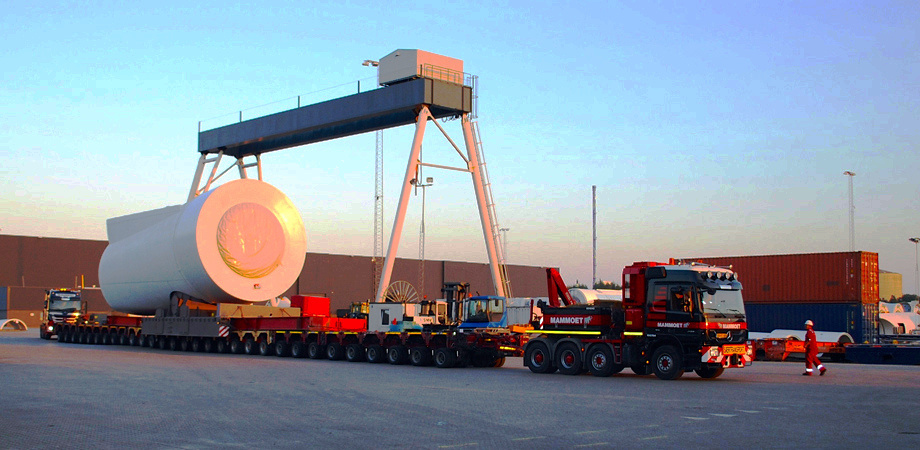
Accurate dimensions, gross weight, axle-load implications, centre of gravity and lifting points shape almost every downstream decision. A small uncertainty at this stage can affect trailer selection, route feasibility and unloading arrangements.
The receiving site also matters. Gate width, internal turning space, ground condition, crane access and the final placement position should be reviewed alongside the cargo itself.
- Verified dimensions and weight
- Centre of gravity and lifting points
- Loading and unloading method
- Delivery-site access constraints
Study the route beyond map distance
A route study identifies width, height and turning constraints, gradients, weak structures, overhead obstructions and locations that may need temporary traffic control. The shortest route is not always the most practical route.
Potential bottlenecks should be documented with measurements and photographs. Alternative paths and contingency actions can then be evaluated before equipment and teams are mobilised.
Connect permissions and equipment
Permissions, trailer configuration, escorts and temporary route interventions are interdependent. They should be planned as one sequence rather than as separate administrative and operating tasks.
Transport drawings and a clear movement method help the client, transporter, site team and authorities work from the same technical picture.
Turn the plan into controlled execution
Before departure, responsibilities, communication channels, hold points and emergency actions should be understood by the operating team. Site readiness at both ends prevents avoidable delays after the vehicle arrives.
During the movement, clear on-ground ownership helps decisions remain aligned with the technical and HSE plan—even when real conditions require an adjustment.
Planning a cargo movement?
Talk to our team about the route, equipment and operating plan.
Call Cargoy Logistics